

 English
 Français
China’s Economic Model Facing European Challenges
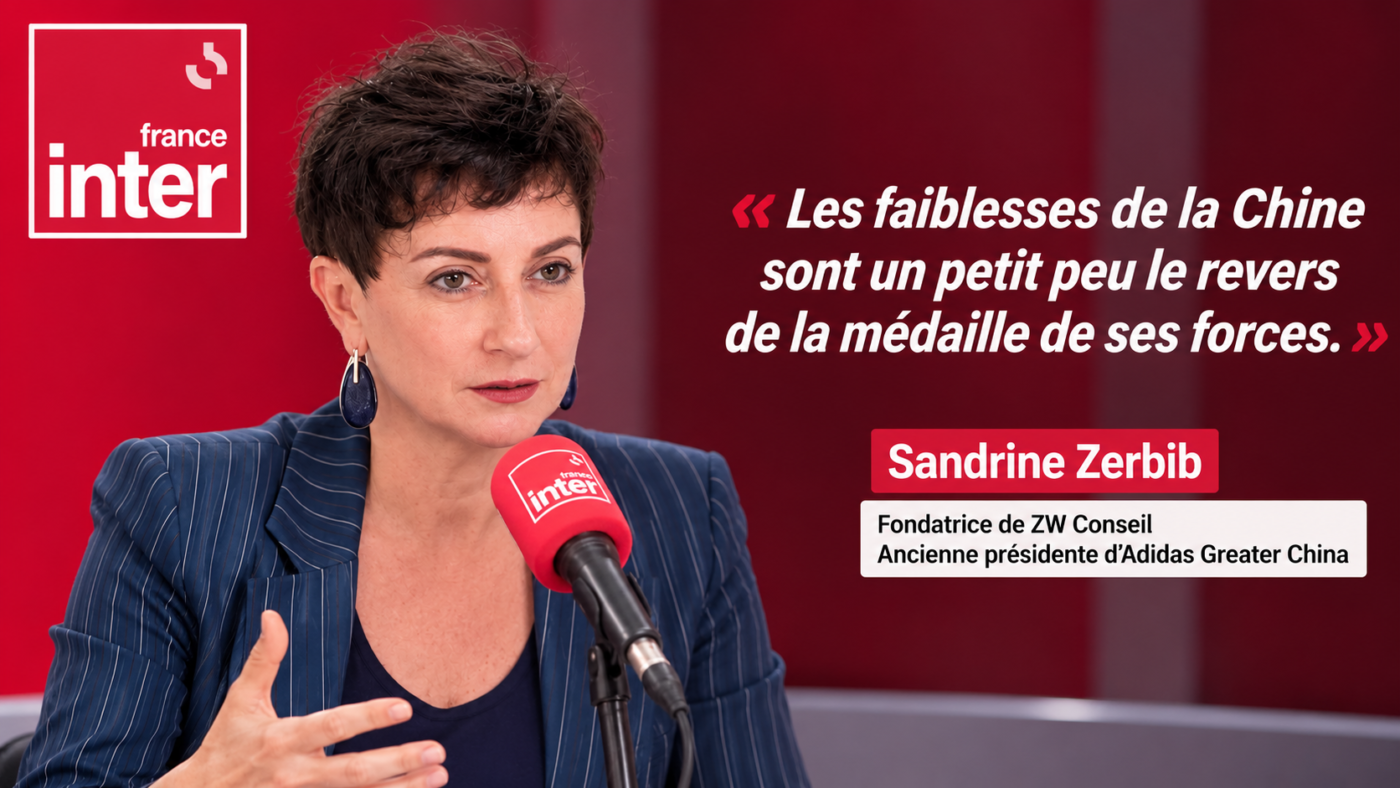
Appearing on the Recto-Verso program on France Inter, Sandrine Zerbib discusses the differences between the Chinese and European economies, as well as the challenges arising from their economic competition.
According to Zerbib, China’s economic strength is primarily based on its industrial sector and massive investments. Unlike European economies, which are more heavily driven by consumption and domestic demand, China has prioritized the development of its production capabilities.
This strategy has enabled the country to become one of the world’s leading industrial powers. Chinese companies are particularly known for their manufacturing speed, innovation capabilities, and competitiveness in international markets.
However, Sandrine Zerbib points out that the strengths of the Chinese economy can also become its weaknesses. Indeed, excessive investment and overproduction can create economic imbalances when demand fails to keep pace with supply.
This situation also presents a challenge for European companies, which face increasingly strong competition from China. The question is therefore how to protect European industries while maintaining trade relations with China.
Europe must find a balance between defending its economic interests and promoting international cooperation. Trade with China can create valuable opportunities, particularly in industry, technology, and innovation.
In conclusion, Sandrine Zerbib’s analysis highlights that China remains a major economic power, but its economic model also faces certain vulnerabilities. For Europe, the challenge is to remain competitive while building a more balanced economic relationship with China.
https://direct-radio.fr/node/20640/episode/chine-et-europe-concurrence-loyale-ou-guerre-commerciale